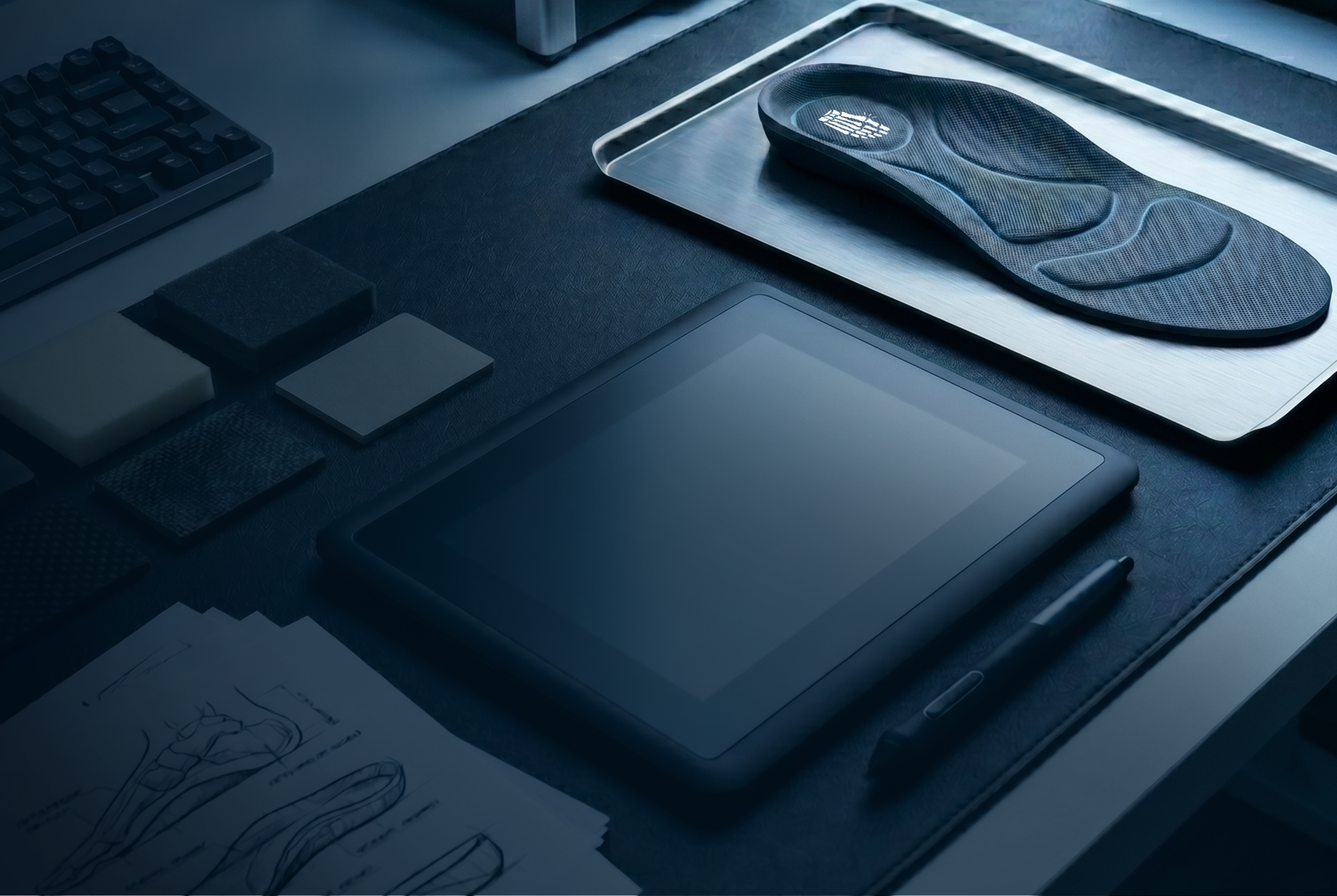
Digital orthopedic workflows

The orthopedic industry is undergoing a significant digital transformation. As patient expectations continue to rise and technology advances, clinics are seeking more efficient, accurate, and scalable methods for developing custom orthotic and orthopedic solutions. Traditional workflows that rely heavily on physical casting, manual modifications, and paper-based documentation are gradually being replaced by digital orthopedic workflows.
Today, technologies such as 3D foot scanning, orthopedic CAD design, cloud-based collaboration, and manufacturing-ready CAD file development are helping clinics streamline operations while maintaining a high level of customization and precision.
For podiatrists, orthotists, pedorthists, and orthopedic clinics, adopting a digital orthotic workflow can improve efficiency, enhance collaboration, and support the delivery of high-quality custom orthotic solutions.
A digital orthotic workflow is a modern process that uses digital technologies to capture patient anatomy, develop custom orthopedic designs, and prepare manufacturing-ready files for production.
A typical digital orthopedic workflow may include:
3D foot scanning
Digital patient assessment
Orthopedic CAD design and development
Biomechanical correction implementation
Custom orthotic insole design
Manufacturing-ready CAD file preparation
CNC machining or 3D printing integration
Digital case management and storage
Instead of relying solely on physical casts and manual modifications, clinics can manage much of the development process digitally, improving both efficiency and consistency.
Traditional orthopedic workflows have supported the industry for many years, but they often involve challenges that can limit efficiency and scalability.
Common limitations include:
Physical storage requirements for casts and records
Time-consuming casting procedures
Manual modification processes
Difficult file sharing between stakeholders
Limited design reproducibility
Longer development and production timelines
As clinics manage increasing patient volumes and more complex cases, digital workflows provide a more streamlined and connected approach to custom orthotic development.
One of the most important advantages of digital orthopedic workflows is the quality and precision of the patient data being used.
Modern 3D foot scanning systems capture highly detailed anatomical information that can be integrated directly into orthopedic CAD software. This allows clinicians and CAD developers to work with accurate digital representations of the patient's anatomy throughout the design process.
Benefits include:
Precise foot geometry capture
Improved anatomical representation
More accurate biomechanical modifications
Consistent design development
Reduced variability between cases
By starting with accurate digital data, clinics can establish a stronger foundation for custom orthotic and orthopedic device development.
Orthopedic CAD design plays a central role in modern digital orthotic workflows. Once scan data is collected, CAD software allows developers to create highly customized orthopedic solutions that match specific clinical requirements.
Through digital modeling, it becomes easier to:
Develop custom orthotic insoles
Design orthopedic shoe lasts
Apply biomechanical corrections
Adjust support structures
Optimize designs for manufacturing
Digital CAD development provides greater control and repeatability compared to many traditional manual modification methods.
Efficiency is increasingly important for modern clinics.
Digital orthopedic workflows significantly reduce the time required for case preparation, design development, communication, and manufacturing coordination.
Processes that benefit from digital workflows include:
Patient data collection
Case review and preparation
Orthotic CAD modifications
File sharing and collaboration
Manufacturing communication
Instead of shipping physical casts or waiting for manual alterations, digital files can be transferred instantly and reviewed remotely, helping clinics reduce turnaround times and improve operational efficiency.
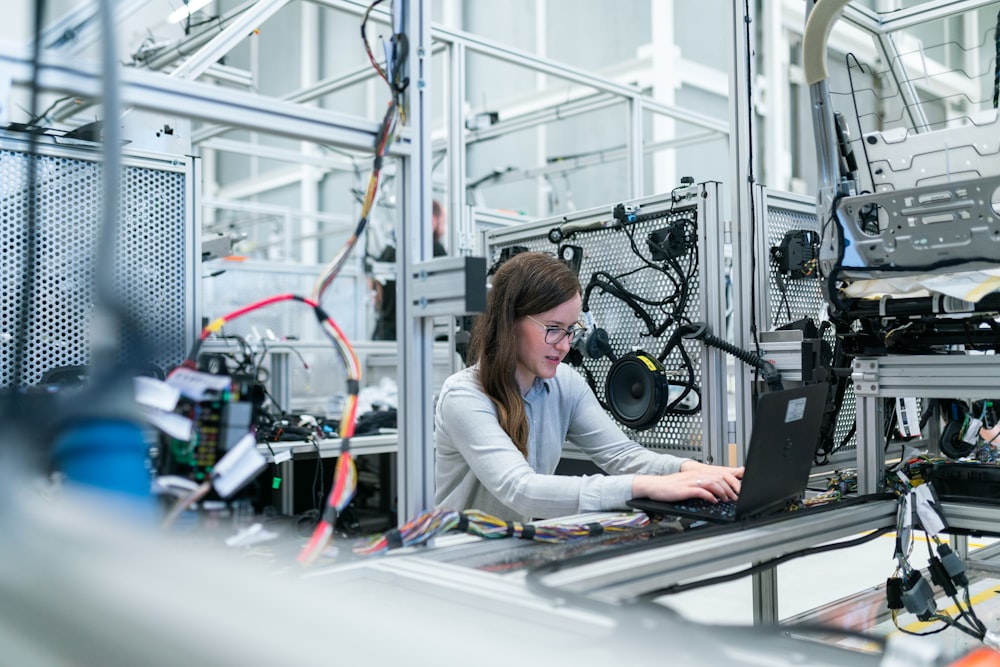
Developing custom orthopedic products often involves collaboration between multiple professionals and organizations.
Digital workflows create a seamless connection between:
Orthopedic clinics
Podiatrists
Orthotists
Pedorthists
CAD developers
Orthotic manufacturers
Footwear manufacturers
By working from standardized digital files, teams can communicate more effectively, reduce misunderstandings, and maintain consistency throughout the development process.
Improved collaboration often leads to more efficient project execution and better production outcomes.
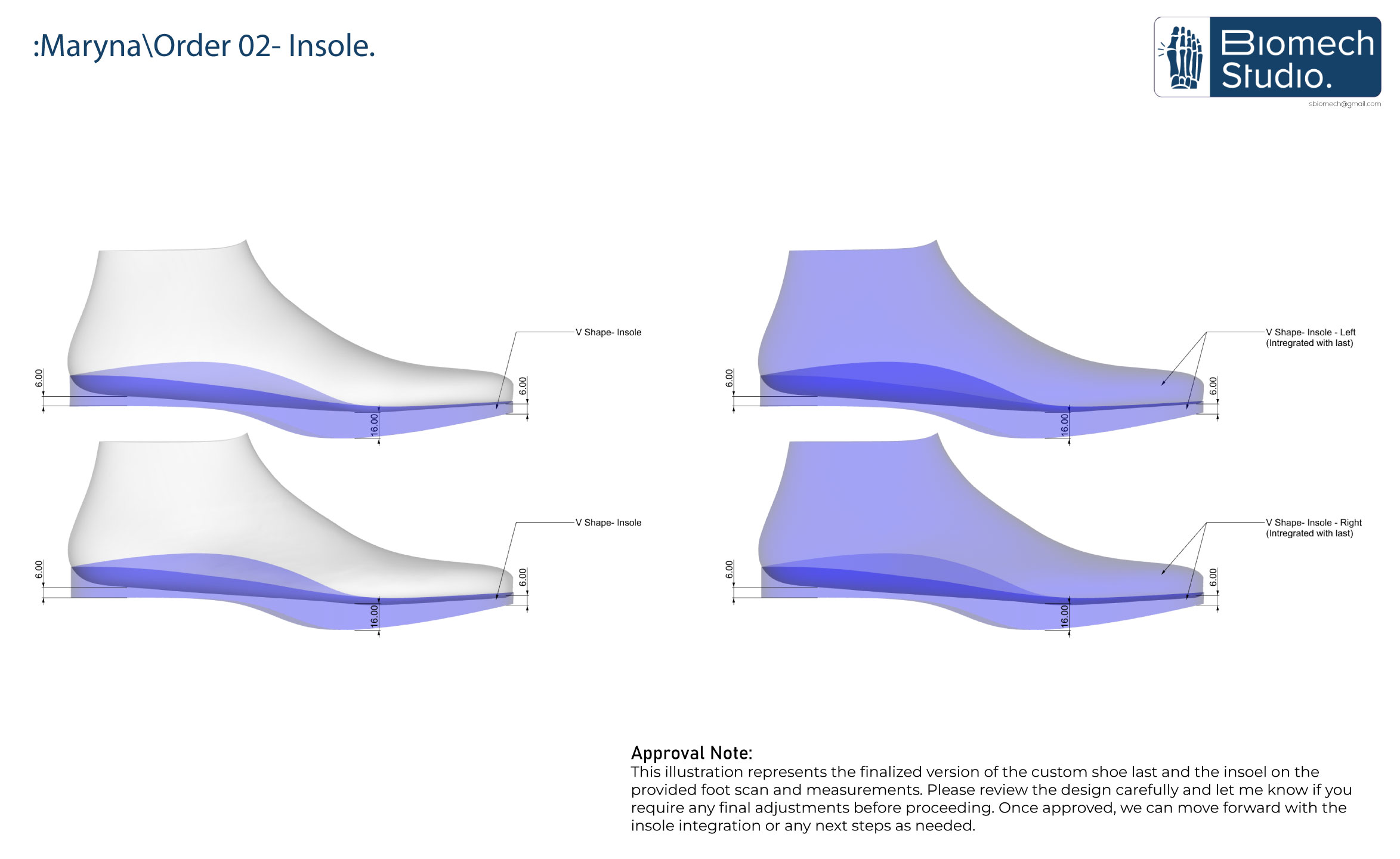
Patient needs can change over time, making design updates and revisions an important part of orthopedic care.
Traditional workflows may require repeating portions of the development process when modifications are needed. Digital systems offer greater flexibility by allowing previous cases to be reopened and updated efficiently.
Clinics can:
Access previous digital cases
Adjust correction parameters
Modify support structures
Update orthotic designs
Generate revised manufacturing files
This flexibility helps save time, reduce costs, and improve long-term patient management.
Digital orthopedic workflows provide significant advantages in patient record management and long-term case tracking.
Instead of maintaining physical casts and paper records, clinics can securely store patient information and design files in digital formats.
Benefits include:
Organized digital archives
Faster case retrieval
Improved documentation
Better treatment continuity
Easier future modifications
Reduced physical storage requirements
For growing clinics and multi-location organizations, digital record management can become a major operational advantage.
The orthopedic industry continues to adopt advanced manufacturing technologies that require high-quality digital inputs.
These technologies include:
CNC machining
3D printing
Digital milling systems
Automated manufacturing workflows
Manufacturing-ready CAD files play a critical role in ensuring accurate production outcomes.
Digital orthopedic workflows create a direct connection between patient scan data, orthopedic CAD design, and manufacturing processes, helping reduce production errors while improving efficiency.
As clinics expand their patient base, maintaining consistency and efficiency becomes increasingly important.
Digital orthotic workflows provide standardized processes that are easier to scale than traditional manual systems.
Advantages include:
Consistent design quality
Improved workflow standardization
Faster case processing
Reduced manual dependency
Increased operational efficiency
Better support for higher patient volumes
These benefits are particularly valuable for clinics managing large numbers of cases or operating across multiple locations.
At Biomech Studio, we help clinics, podiatrists, orthotists, pedorthists, and footwear professionals transform scan data into accurate, manufacturing-ready orthopedic CAD solutions.
Our services include:
Custom orthotic insole CAD development
Orthopedic shoe last design
Scan-based 3D modeling
Biomechanical correction implementation
Manufacturing-ready CAD file preparation
STL, OBJ, and STEP workflow support
Orthotic CAD modifications and design optimization
Our goal is to simplify the digital development process while providing production-compatible solutions that meet both clinical and manufacturing requirements.
Digital transformation is no longer a future concept—it is becoming the standard for modern orthopedic development.
As technologies continue to evolve, digital orthopedic workflows are helping clinics improve efficiency, enhance collaboration, and deliver more personalized orthopedic solutions.
Clinics that embrace digital workflows can benefit from:
Improved accuracy
Faster turnaround times
Better collaboration
Enhanced patient documentation
Increased scalability
Efficient manufacturing integration
The combination of 3D scanning, orthopedic CAD design, and digital manufacturing technologies is creating new opportunities for delivering high-quality patient care while improving operational performance.
Digital orthopedic workflows are transforming the way custom orthotic solutions are designed, developed, and manufactured. By combining 3D foot scanning, orthopedic CAD design, biomechanical corrections, and manufacturing-ready CAD files, clinics can improve accuracy, streamline case management, and support more efficient production processes.
For podiatrists, orthotists, pedorthists, and orthopedic clinics seeking a modern approach to custom footcare, digital workflows provide a clear pathway toward improved collaboration, enhanced efficiency, and long-term scalability.
At Biomech Studio, we are committed to helping clinics and orthopedic professionals convert digital patient data into precise, production-ready orthopedic CAD solutions that support both clinical goals and manufacturing success.

Biomechanical correction plays a critical role in developing effective orthopedic footwear solutions.
June 10 2026